

SLT Laser | OCT Visualization System
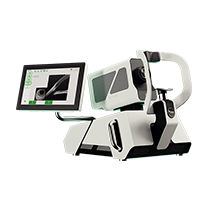
ASTRAL® is a next-generation SLT platform that combines advanced laser technology with real-time OCT imaging redefining glaucoma treatment.
Glaucoma is one of the leading causes of irreversible blindness worldwide. The primary therapeutic goal in glaucoma management is the reduction of intraocular pressure (IOP). While eye drops, surgery, and laser procedures have all been used to lower eye pressure, a growing body of evidence—including the groundbreaking LiGHT study—positions Selective Laser Trabeculoplasty as an effective and viable first-line treatment option.
Explore the role of SLT in glaucoma care, emphasizing clinical efficacy, long-term benefits, and integration into daily ophthalmic practice—along with Lumibird Medical’s innovations in this laser technology.
ASTRAL® is a next-generation SLT platform that combines advanced laser technology with real-time OCT imaging redefining glaucoma treatment.

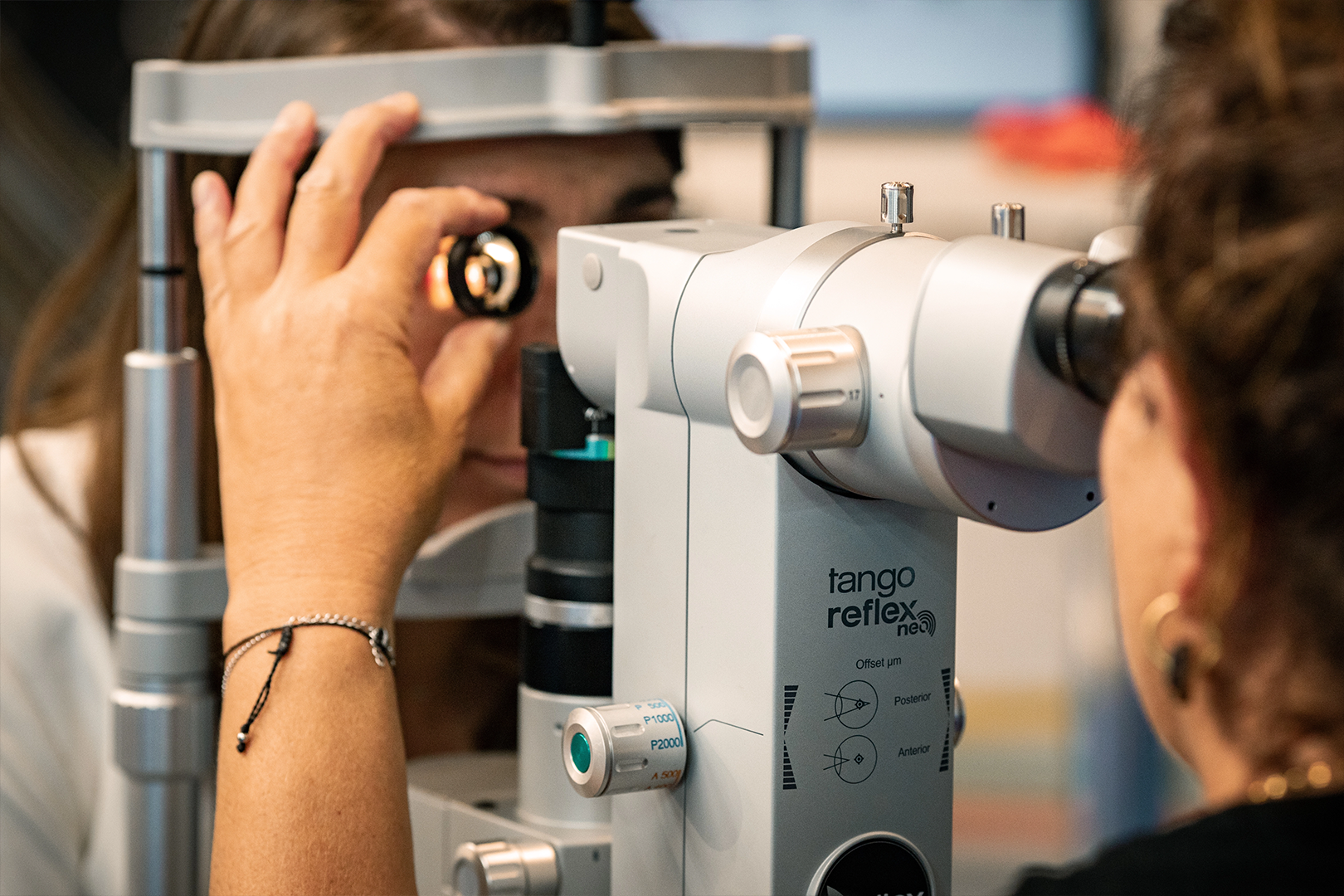
Learn more about Tango Reflex™ Neo, featuring True Coaxial Illumination™ technology, setting the standard of care in ophthalmology for SLT and YAG indications.
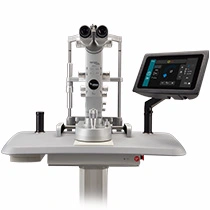

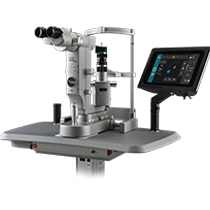
Find out how Tango Neo™ will allow you to perform SLT and YAG treatments with improved accuracy and greater efficacy over the long-term.
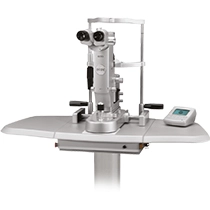

Discover Solo™, the industry’s most advanced SLT laser.
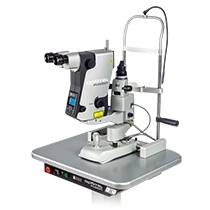


Learn more about Optimis Fusion™, the versatile YAG/SLT laser which combines with Vitra 2® photocoagulator.
Selective Laser Trabeculoplasty is a laser procedure designed to lower IOP in patients with open-angle glaucoma and ocular hypertension. It uses short pulses of low-energy 532 nm laser to selectively target pigmented cells within the trabecular meshwork, enhancing aqueous outflow.
Unlike older argon laser trabeculoplasty (ALT) techniques, SLT treatment does not cause coagulative damage to the tissue, making it repeatable and safe for long-term use.
SLT laser treatment typically takes 5–10 minutes per eye and does not require incisions or systemic sedation. Its non-destructive nature, high success rate, and favorable safety profile make it particularly attractive for both clinicians and glaucoma patients.
One of the most pivotal studies supporting SLT as a first-line therapy is the LiGHT study (Laser in Glaucoma and Ocular Hypertension), led by Dr. Gus Gazzard and published in The Lancet. The initial findings, published in 2019, reported outcomes at 3 years, demonstrating the clinical and cost-effectiveness of SLT compared to eye drops. A subsequent publication in February 2023 presented the 6-year results, confirming sustained benefits of SLT, including better long-term disease control and reduced need for glaucoma and cataract surgeries.
A LiGHT Study summarized overview of both publications is available for quick reference.
This landmark study has influenced treatment protocols worldwide and led to updated recommendations positioning SLT as a first-line option in appropriate patients.
SLT can reduce IOP by 20–30% from baseline after a single session. The therapeutic effect is similar to that of prostaglandin analogues and beta-blockers.
Because SLT procedure avoids thermal coagulation, the trabecular meshwork structure is preserved, allowing for safe repeat procedures if IOP rises again over time.
Selective Laser Trabeculoplasty minimizes or even eliminates the need for eye drops, addressing common issues like non-compliance, side effects, cost, and ocular surface toxicity.
This laser treatment is performed in-office, with minimal patient discomfort. Most of them resume normal activities within a few hours after the procedure.
SLT has a low incidence of inflammation, IOP spikes, and post-op complications, making it suitable even for elderly people or those with systemic contraindications to drugs.
Here is the indications:
Patients with glaucoma who are newly diagnosed or at early stages can particularly benefit from first-line SLT treatment, reducing the lifetime burden of pharmacotherapy.
Procedure step-by-step:
The laser treatment takes approximately 5 minutes per eye and does not require sedation. Follow-up visits typically occur within the first week.
While both techniques aim to improve aqueous flow, SLT procedure offers several modern advantages over ALT (Argon Laser Trabeculoplasty):
Selective action that spares adjacent tissue:
ALT is no longer considered a first-choice option due to its destructive mechanism and poor repeatability.
Implementing Selective Laser Trabeculoplasty in your practice offers:
Doctors can easily train to perform SLT, and practices see improved efficiency with minimal discomfort to the patient.
At Lumibird Medical, we deliver cutting-edge laser systems under 3 brands - Ellex, Quantel Medical and Optotek - tailored to the needs of ophthalmologists and glaucoma specialists. Our devices are engineered to:
Key Features:
Yes. SLT is clinically proven to be safe, with a low rate of complications and minimal side effects.
Yes. Unlike ALT, SLT does not cause tissue damage, allowing repeat treatments over time.
Results can last 3–5 years or more. Some patients may need a repeat laser treatment depending on progression.
In many cases, yes. According to the LiGHT study, 74% of people treated were drug-free three years following the laser procedure.