Dry eye

Moderate MGD, Demodex blepharitis

Saint-Étienne, France

dr trone 6499a50bb1c89404436799 2

Dr Marie-Caroline Trone

Hospital-based Ophthalmologist Saint-Étienne University Hospital – France

Diagnosis and treatment of dry eye syndrome (DES) in a male patient with Demodex blepharitis leading to MGD. A full diagnosis was performed by means of clinical examination and in vivo confocal microscopy. C.STIM® intense pulsed light treatment plus eyelid care was initiated in this patient. After three months, a significant improvement in functional signs and meibum quality was observed, with almost no Demodex sleeves visible.

Anamnesis :

Mr J., aged 57, a teacher, consulted his doctor complaining of debilitating dry eye syndrome that had been present for several months. The prescribed symptomatic treatment had offered little relief. He was experiencing stinging, itching and photophobia. These symptoms mainly occurred in the morning, with fluctuating blurred vision upon blinking.
#1

CLINICAL EXAMINATION

demodex1 63b40bd0733b3560512351 2

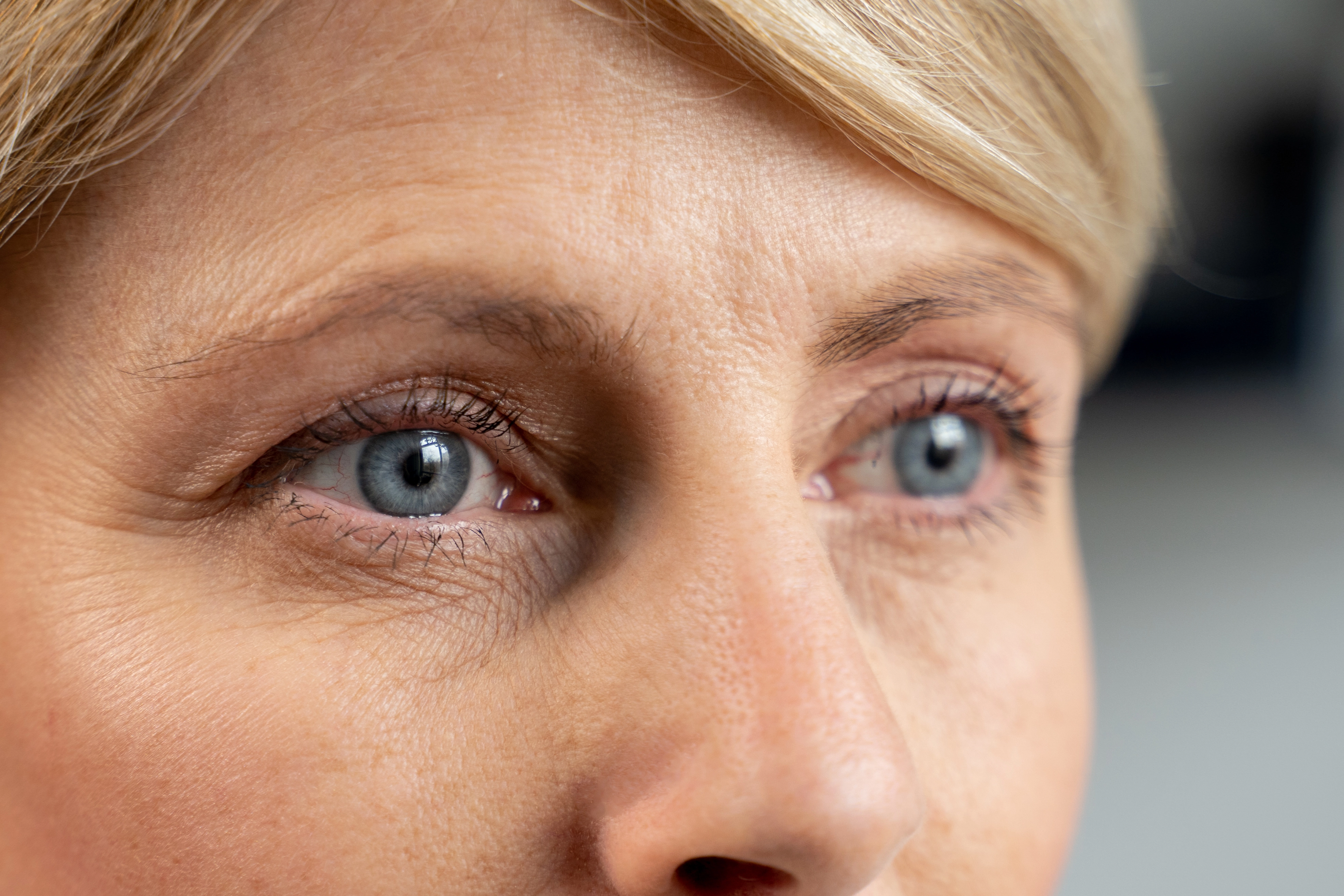
The interview revealed a risk factor for dry eye: a history of right eye corneal transplant.

The OSDI questionnaire was used, giving a score of 35.4.

The patient demonstrated good compliance with symptomatic treatment, comprising artificial tears and eyelid care (massage).

Cleaning of the free margins with tea tree oil wipes was not tolerated: he discontinued this treatment after a few days due to an inflammatory reaction of the eyelids.

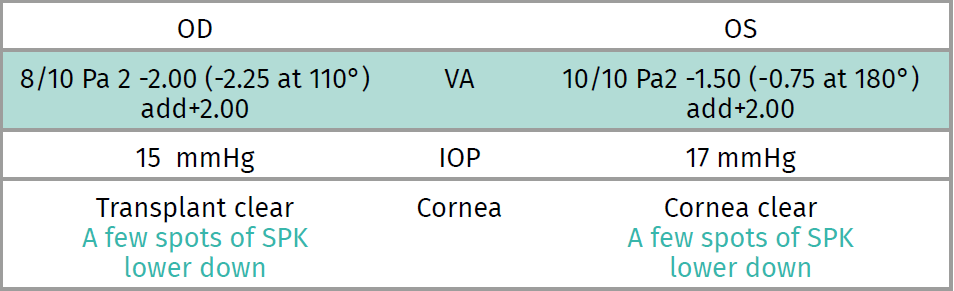
The results of the eye examination were as follows:

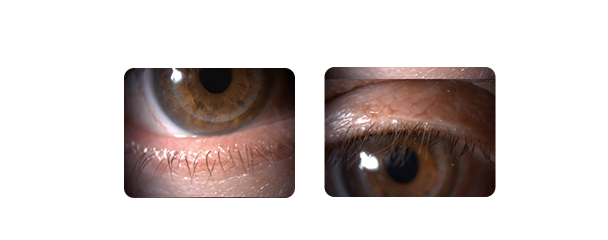
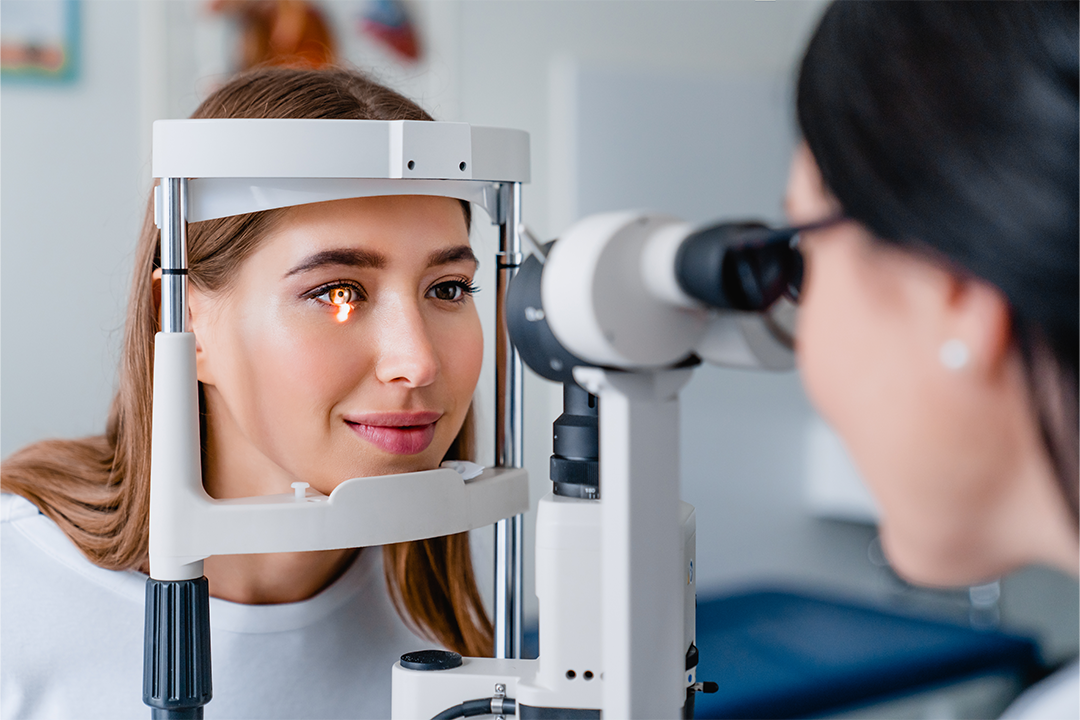
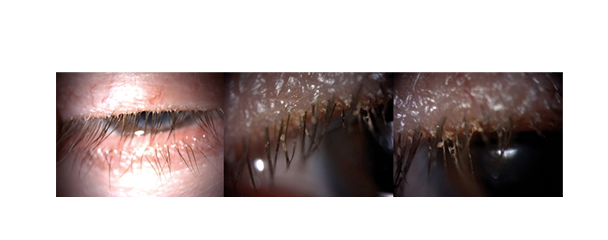
Slit lamp examination revealed mild to moderate meibomian gland dysfunction (MGD) and Demodex blepharitis. Blinking was incomplete and sleeves were observed around the eyelashes, along with crusting. The right eye had a break-up time (BUT) of 5 seconds and the left eye of 4 seconds, with significant tear instability.

#2

IN VIVO CONFOCAL MICROSCOPY

demodex2 2 63b40c7d0c8c5564647387 2

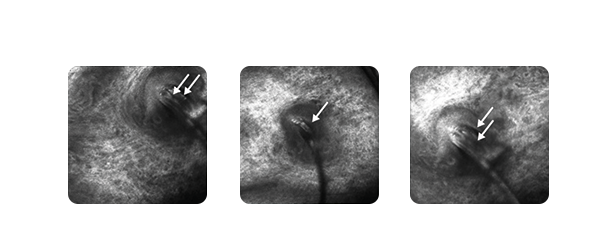
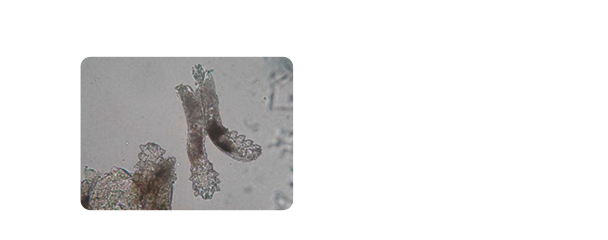
In vivo confocal microscopy (Vivascope 3000) of the Demodex blepharitis revealed reflectance at an infundibulum of an eyelash filled with elongated, parallel bodies corresponding to Demodex folliculorum.

The patient was therefore diagnosed with evaporative dry eye syndrome with meibomian gland dysfunction (MGD) as well as Demodex blepharitis.

#3

C.STIM® IPL treatment protocol

ipl cstim 1 63b40d18d59a0712509598 2

The initially prescribed symptomatic treatment was continued. In addition, IPL treatment with C.STIM® was initiated.

The treatment protocol comprised three sessions on D0, D15 and D45.

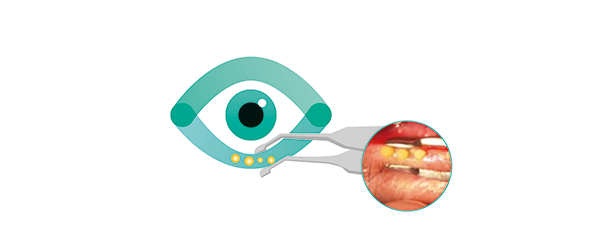
Four IPL shots were performed per session on each lower periorbital area, at a fluence of 8 J/cm2. After each session, manual meibum expression was performed with forceps, for optimal results. This process is made easier by the heat generated by the C.STIM® IPL treatment.

#4

RESULTS AT THREE MONTHS

demodex3 3 63b40d839b89c209995201 2

Three months after the IPL sessions, the patient observed an improvement in functional signs. The clinical examination also showed an improvement in meibum quality, with almost no Demodex sleeves visible.

To conclude, IPL treatment is effective against Demodex blepharitis in combination with, or as an alternative to, symptomatic treatment, particularly cleaning of the free margins with tea tree oil wipes.


Get this case study 
in PDF format: click here

#5

FOCUS ON DEMODEX

demodex4 63b40e28097f1040146563 2

Demodex are responsible for symptomatic and non-symptomatic meibomian gland dysfunction (MGD)/blepharitis. Their presence is indicated by sleeves around the root of the eyelashes. 

Demodex are sometimes visible under in vivo confocal microscopy.

In order to establish a conclusive diagnosis, a parasitological examination of the eyelashes can be performed.