Understanding Intense Pulsed Light: A Revolutionary Solution for Chronic Dry Eye Therapies
Intense Pulsed Light (IPL) therapy represents a breakthrough treatment for chronic dry eye disease. This procedure uses specific wavelengths of light to target and treat Meibomian Gland Dysfunction (MGD), the primary cause of evaporative dry eye. By delivering gentle pulses of light around the eyes, IPL helps unclog oil glands, reduce inflammatory markers, and restore natural tear film quality.
The Science Behind Intense Pulsed Light for treating Dry Eyes
What is Intense Pulsed Light (IPL) treatment? (and Why It’s Not Laser)
Intense Pulsed Light (IPL) therapy for dry eye is a specialized treatment designed to alleviate symptoms of Meibomian Gland Dysfunction (MGD), a common cause of dry eye. The therapy uses pulses of broad-spectrum light applied to the skin around the eyes, targeting the abnormal blood vessels and inflammation that contribute to gland dysfunction. IPL is particularly effective for patients with chronic dry eye disease linked to rosacea or inflammation, offering relief and long-term improvement with minimal discomfort.
Although IPL and laser treatments are often confused, they work differently. IPL uses broad-spectrum light with multiple wavelengths, allowing it to treat larger areas and various skin concerns simultaneously. Lasers, on the other hand, emit a single, focused wavelength of light for more precise, targeted treatments.
How Wavelength Technology Works in IPL Therapy?
The power of IPL lies in its precise wavelength spectrum of 610-1200 nanometers. This specific range allows the light energy to penetrate the skin and target oxyhemoglobin in blood vessels around the eyes. When absorbed, the light transforms into thermal energy, creating controlled heat that melts hardened oils in the meibomian glands.
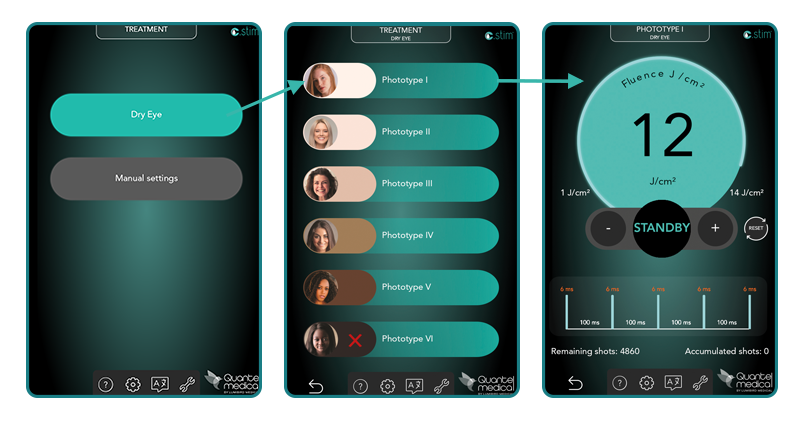
Modern IPL devices use regulated pulse trains to control the energy delivered and thus limit tissue temperature rise.
The Role of Light Pulses in Eye Treatment
During treatment, strategic light energy target specific areas around the eyes where blood vessels and glands need attention. These pulses create a controlled heating effect that reaches optimal temperatures, helping to melt hardened oils in the glands.
The use of regulated pulse trains delivers better results and reduces the risk of side effects, thanks to a homogeneous and identical energy delivery from the first to the last shot.
Meibomian Gland Dysfunction: The Root Cause
Signs of MGD and Related Eye Conditions
Persistent eye discomfort manifests through various symptoms that signal MGD presence. Patients typically experience burning sensations, redness, and a gritty feeling, particularly during extended screen time or in windy conditions.
Physical examination reveals telltale clinical signs: thickened eyelid margins, clogged oil glands, and visible blood vessel changes along the lid edges. Many people notice their eyes becoming increasingly watery - a paradoxical response as the body attempts to compensate for poor tear quality.
Common associated conditions include corneal surface irregularities and chronic inflammation of the ocular surface. These changes frequently result in blurred vision that fluctuates throughout the day, especially when focusing on close tasks or digital devices. Understanding these warning signs helps identify MGD early, enabling more effective treatment outcomes.
Connection Between MGD and Evaporative Disease
- Gland dysfunction → faster tear evaporation: Meibomian glands produce oils that protect the tear film. When they fail, tears evaporate too quickly.
- Cycle of damage: Increased evaporation causes inflammation, which worsens gland function over time.
- Temporary relief: Heating masks and omega‑3 fatty acids can improve oil flow and comfort.
- Root cause matters: Addressing gland dysfunction is essential to maintain healthy tears and prevent long-term dryness.
Benefits of Intense Pulsed Light therapy for Chronic Dry Eye Syndrome
What results can I expect after IPL treatment?
Intense Pulsed Light (IPL) treatment offers a multifaceted approach to managing dry eye disease, delivering both immediate and long-lasting benefits. One of its primary effects is the improvement of tear quality, which alleviates discomfort and supports overall ocular health. IPL also enhances the quality and expression of meibum, the oily component of tears, which is crucial for maintaining a stable tear film and preventing evaporation.
Additionally, patients often report a significant reduction in symptoms such as redness, dryness, and irritation. By targeting inflammatory markers in the face and upper and lower eyelids, IPL helps to resolve one of the root causes of dry eye disease while also reducing the presence of Demodex, which can worsen symptoms. Furthermore, IPL has been shown to provide relief from neuropathic eye pain, offering a holistic improvement in patient comfort. These benefits typically last for several months, making IPL a valuable option for long-term management of dry eye disease.
Treatment for Associated Blepharitis
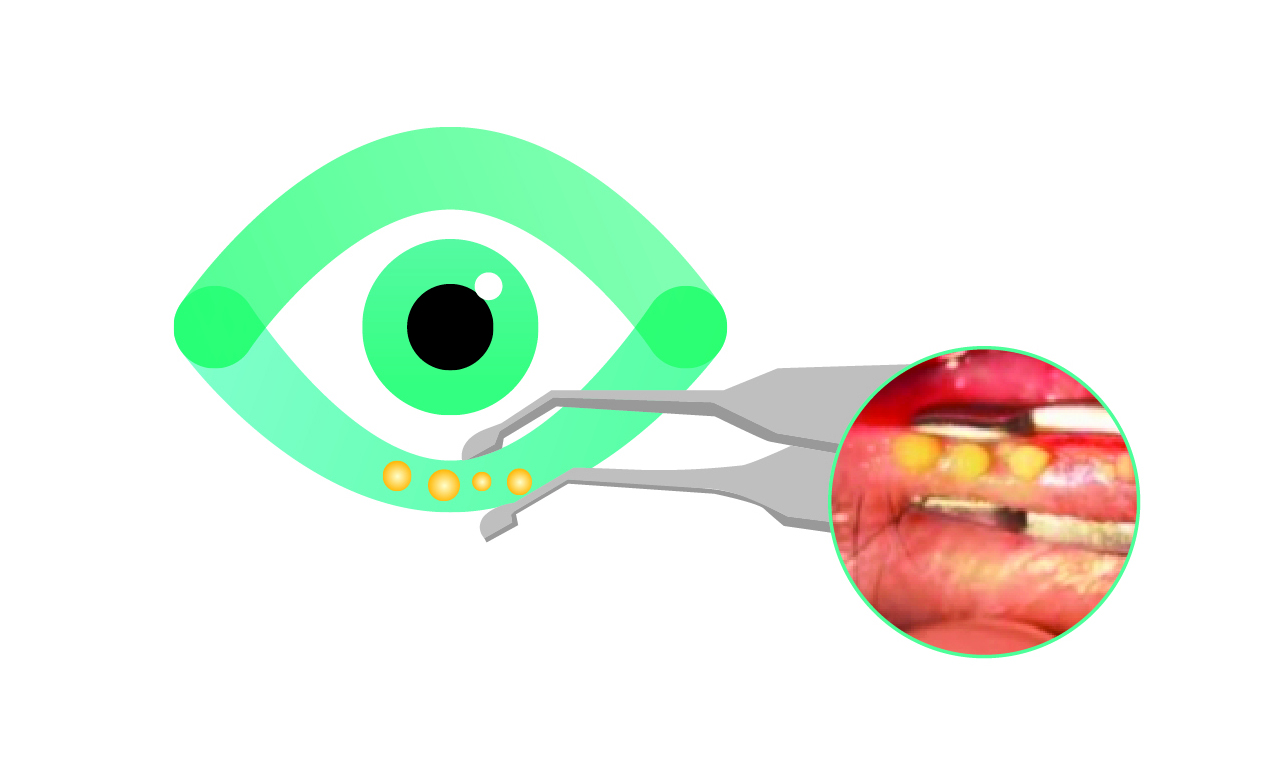
When targeting blepharitis-related inflammation, IPL delivers precise energy pulses to the affected eyelid margins, effectively reducing bacterial colonization and Demodex mite populations. The treatment's thermal effect helps dissolve hardened oils blocking the meibomian glands, while simultaneously addressing underlying rosacea symptoms often linked to chronic blepharitis.
Medical professionals report particularly strong results when combining IPL with manual expression of the meibomian glands, leading to reduced eyelid margin inflammation and improved tear film stability.
Managing Ocular Surface Inflammation
In tears, IPL allows a reduction in matrix metalloproteinase-9 (MMP-9), which is overexpressed in case of rosacea, as well as a reduction in numerous inflammatory cytokines.
The process stimulates natural healing mechanisms within the eye tissue, promoting better blood circulation and reducing inflammatory cell activity.
For optimal results, many eye care specialists combine IPL with targeted anti-inflammatory medications. This dual approach helps break the cycle of chronic inflammation that perpetuates dry eye symptoms. Patients experiencing severe ocular surface inflammation may benefit from more frequent initial treatments, followed by personalized maintenance schedules based on their inflammatory response patterns.
The IPL Treatment Procedure Explained
Pre-treatment Assessment Steps
Medical professionals first analyze clinical signs, then carefully examine tear film quality and meibomian gland function through slit lamp examination and thanks specialized imaging like C.DIAG®, complete automatic imaging platform.
The eye doctor will review your medical history, focusing on previous eye treatments and any skin conditions that might affect the procedure. He will also identify any risk factors for dry eye syndrome (DES), such as frequent use of screens, environmental or hormonal factors, etc.
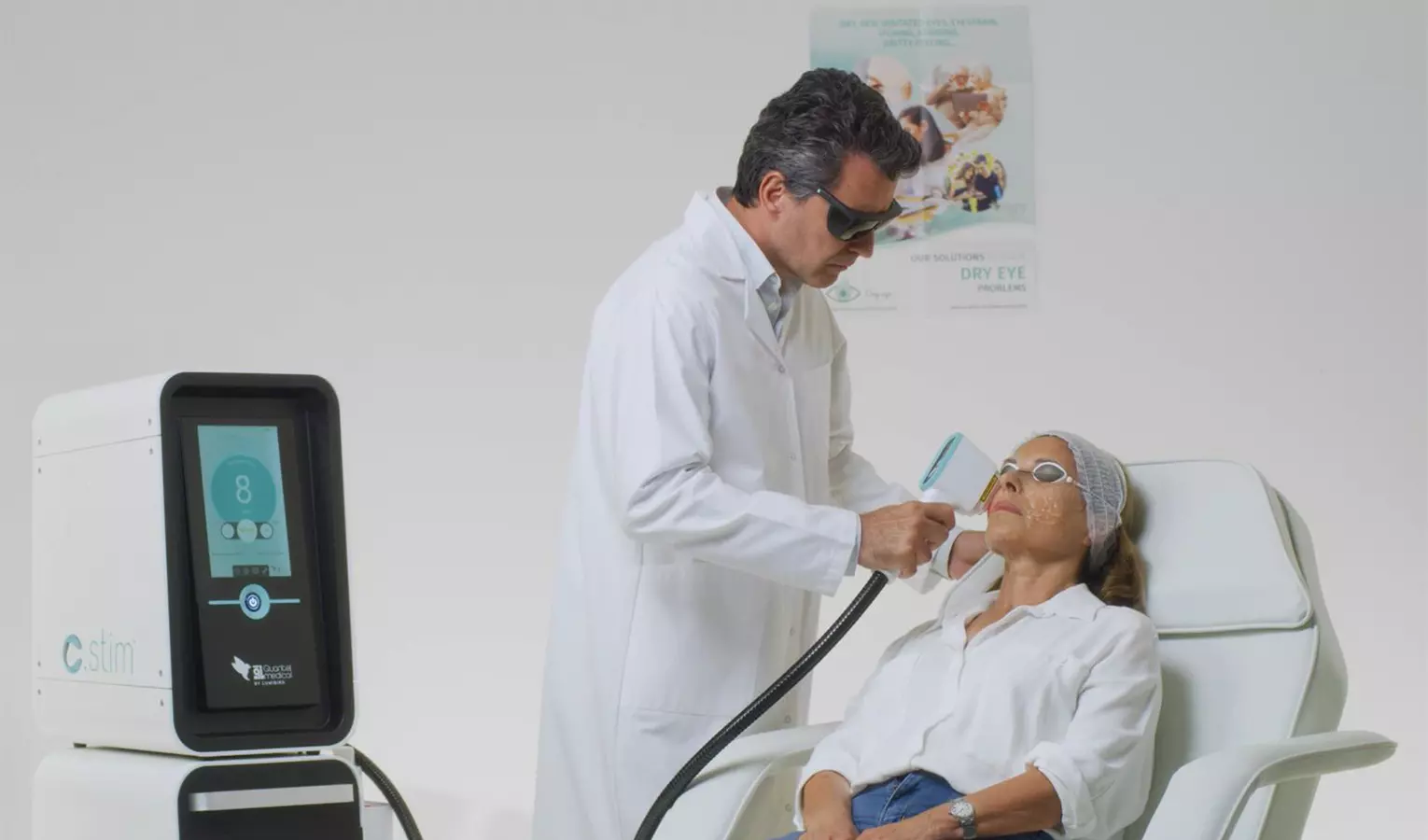
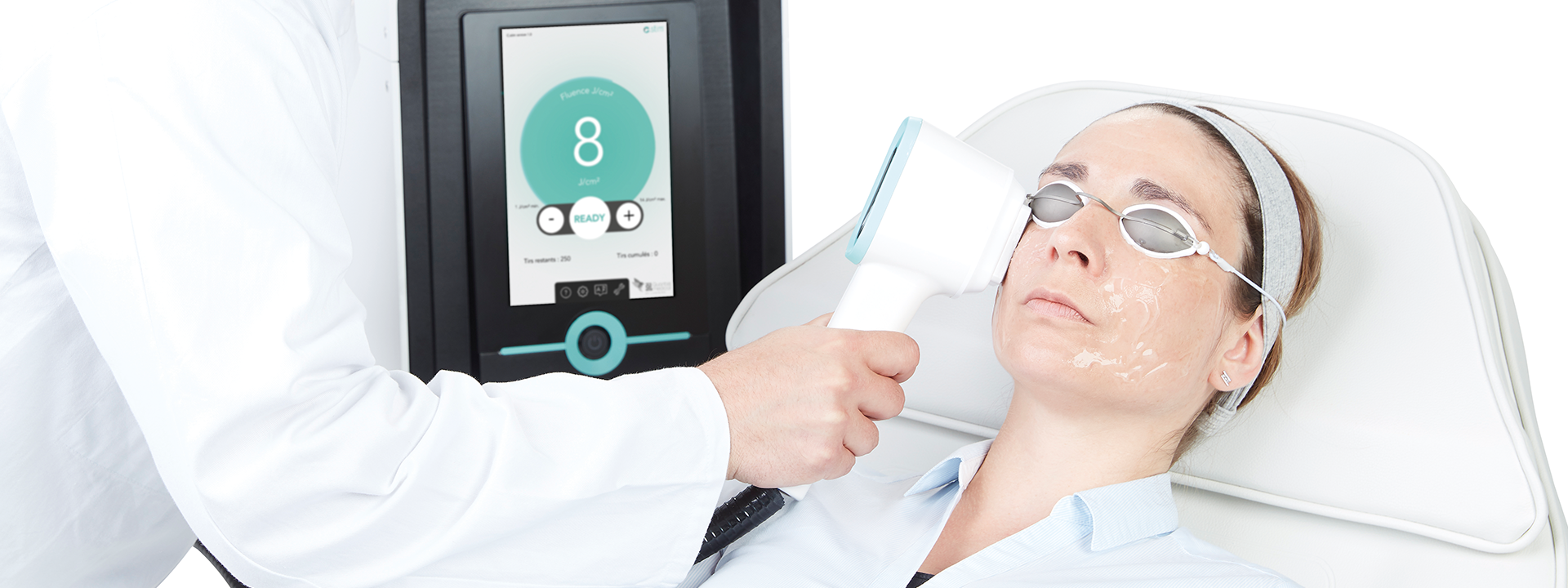
Eye shields for both patient and doctor are fitted, and ultrasound gel is applied to maximize treatment effectiveness. A test spot helps determine your skin's response to the light pulses, allowing for personalized adjustments to achieve the best possible outcome.
During Your IPL Therapy Session
The IPL device delivers precise light pulses in a systematic pattern from one side of your face to the other, typically 4 to 5 shots per side, focusing on areas where the meibomian glands are located.
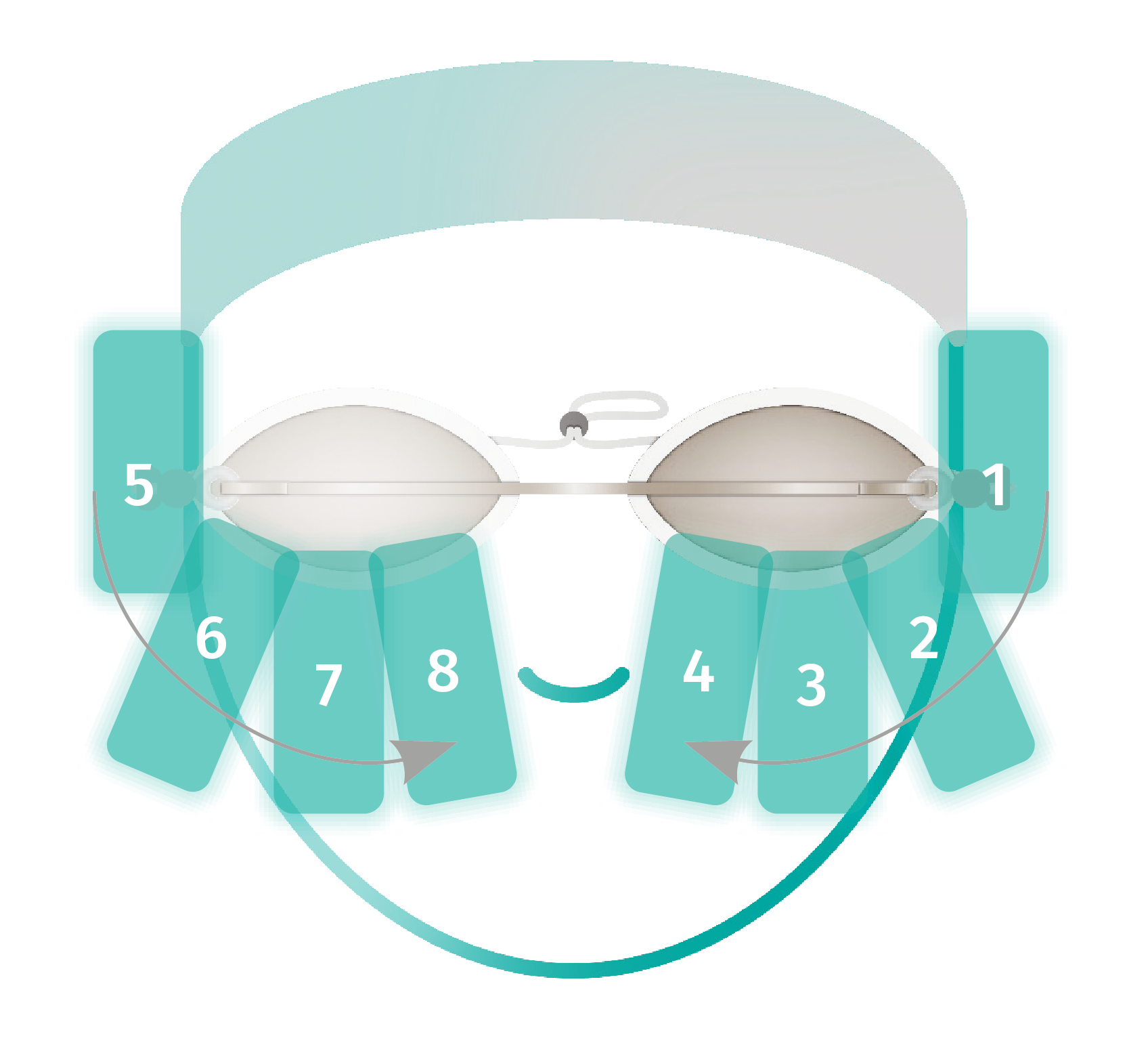
Each IPL flash feels like a mild warm sensation lasting just milliseconds. An IPL session generally lasts around ten minutes.
Throughout the session, your eye care professionals carefully monitors your comfort level and adjusts settings as needed. The light flashes of IPL target blood vessels and inflammation while stimulating natural oil production in your meibomian glands, creating both immediate and cumulative benefits for your tear film quality.
Post-treatment Care Guidelines
After a session, avoid direct sun exposure and wear sun protection cream index 50 when outdoors for the next week. Skip harsh facial products or exfoliants post-treatment.
For best results, maintain proper eyelid hygiene twice daily by using a heated mask, blink exercices and eyelid cleaning with adequate wipes. Many patients benefit from continuing their prescribed eye drops according to their doctor's recommendations. One follow-up IPL session after several months may be recommended.
How Long Does IPL Treatment Last?
How often should you do IPL for dry eyes?
A complete IPL treatment plan consists of 3 to 4 sessions scheduled 7-15 days apart.
After the initial IPL treatment phase, your ophthalmologist will reassess your ocular surface and thus your response to IPL. A personalized IPL maintenance plan can then be defined. Some patients maintain IPL results with touch-up treatments every 6 to 8 months, while others benefit from quarterly sessions depending on the severity of their specific condition.
Maintenance Requirements
Preserving your IPL treatment results demands consistent attention to specific practices. Protecting your eyes from UV exposure through quality sunglasses becomes essential between sessions. Apply prescribed eye drops as directed by your provider to maintain optimal tear film quality.
Environmental factors play a crucial role in sustaining treatment benefits. Keep your workspace humidified and take regular screen breaks every 20 minutes. A balanced omega-3 rich diet supports ongoing meibomian gland health.
Your eye care specialist might recommend specialized lid hygiene products or warm compress routines between treatments. Most patients benefit from scheduling follow-up appointments every 6-8 months, though individual needs vary based on symptom response and lifestyle factors.
Safety Considerations and Potential Effects
Intense Pulsed Light (IPL) Safety for the Eyes
IPL treatment is not dangerous for the eyes when performed by a trained professional following proper safety measures. Practitioners use protective eyewear for both themselves and the patient to prevent exposure to intense light flashes. Additionally, they carefully adjust the device settings based on the treatment area and the patient’s skin type to ensure effectiveness and safety. When these precautions are in place, IPL remains a safe and effective procedure.
Common Side Effects and Management
Only a few patients present mild clinical signs such as temporary redness around the treated area, which usually disappears within few hours.
In rare cases, slight swelling may occur near the cheekbones, but cold compresses can effectively reduce it. Your practionner will adjust treatment settings based on your comfort level and skin type.
Patients should avoid direct sun exposure for 48 hours post-treatment and apply broad-spectrum sunscreen when outdoors.
Contraindications for Treatment
Patients with active skin infections, open wounds, or recent sunburns near the treatment area should postpone their sessions until full healing occurs.
Those using photosensitizing medications require medical clearance before starting IPL treatments. People with a history of keloid formation or who have used tanning beds within the previous month are not candidates for this procedure.
Medical conditions like lupus, porphyria, or active cold sores around the treatment area prevent safe IPL application. Patients who underwent facial surgery within the past six months should wait before considering this therapy. Dark skin types may face increased risks of pigmentation changes, requiring careful evaluation before treatment approval.
As a precaution, pregnant or nursing women should avoid IPL therapy, even though no studies have proven any harmful effects on them.
Clinical Research and Treatment Reviews
The Toyos Method Evolution
The Toyos Method emerged in 2002 when Dr. Rolando Toyos made a groundbreaking observation: patients receiving facial rosacea treatments reported improvements in their dry eye symptoms. This discovery led to years of research and refinement of the technique.
Through collaboration with Dermamed, Dr. Toyos developed specialized protocols that transformed IPL from a cosmetic treatment into a validated medical therapy for dry eye disease. His work established optimal energy settings between 8-20 J/cm², revolutionizing treatment approaches.
The method evolved to include precise application patterns, incorporating the lower eyelids. New-generation IPL devices featuring optimal pulse train technology, ensuring consistent energy delivery throughout each treatment session.
Latest Studies on IPL Effectiveness
Recent clinical study reveal remarkable success rates for IPL therapy with C.STIM® IPL. The purpose of 2023 study of 35 patients was to evaluate the efficacy and safety of C.Stim® IPL at 3 months after the last IPL session, in patients with moderate Meibomian Gland Dysfunction (MGD) using subjective and objective criteria provided by Lacrydiag® ocular surface analyser.
The results show the beneficial role of C.Stim® IPL treatment on the meibomian glands and therefore on the lipid component of tear. Meibum quality and expression are improved after treatment. Improvements in NIBUT, as well as TBUT and interferometry, indicate a more stable tear film. This correlates with an improvement in patients’ symptoms and therefore quality of life, reflected by a decrease of OSDI score.
Furthermore, a decrease of Oxford Score indicates an improvement in the condition of the ocular surface meaning that the quality of tears has been improved.
In addition, the IPL C.Stim® filter that limits ultraviolet rays and reduces absorption by melanin, which makes it possible to treat skin phototypes 1 to 5. The fluence provided by a train of 5 pulses used in this study helps to reduce tissue heating, inflammatory reaction, side effects and pain in patients. These results demonstrate that IPL C.Stim®, as well as being effective and safe, is a simple device and a good alternative for the treatment of Meibomian Gland Dysfunction (MGD).
Patient Success Stories after IPL treatment
Ms M.S., a 55-year-old female patient and emergency doctor, underwent a blepharoplasty, along with an eyelash extension. Severe meibomian gland dysfunction (MGD) is identified. After 3 IPL sessions, the patient can feel a clear improvement in her symptoms and an improvement in her MGD can also be observed. Discover the complete case study from Dr Anne-Sophie Marty, France here.
Ms B., aged 24, a medical student, complained of contact lens discomfort at the end of the day. Significant deposits on her contact lenses combined with mild meibomian gland dysfunction (MGD) were causing evaporative dry eye syndrome (DES). Three months after the IPL treatment protocol, the patient observed an improvement in her symptoms. The clinical examination showed that there were no longer any lipid deposits on the lenses. Discover the complete case study from Dr Marie-Caroline Trone, France here.
Many patients report significant benefits after IPL treatment, especially when following long-term symptomatic therapy, including eyelid care and blinking exercises.
Alternative Treatments vs IPL Therapy
Comparing Different Dry Eye Solutions
While traditional treatments like artificial tears provide temporary relief, IPL therapy offers a more comprehensive approach by addressing underlying inflammation and Meibomian Gland Dysfunction (MGD).
Heat mask and eyelid hygiene remain useful as a daily routine, but IPL therapy has shown greater effectiveness in restoring proper meibomian gland function. Manual gland expression can be beneficial, particularly when combined with IPL, as the light treatment helps to soften hardened oils before expression.
Futhermore, the efficacy of Intense Pulsed Light (IPL) is notably effective in reducing inflammatory markers, by targeting the telangiectasia in the eyelid around the Meibomian glands.
A daily routine of heat mask and eyelid hygiene helps extend the effectiveness of IPL treatment over time.
When to Choose IPL Over Other Options
Meibomian gland dysfunction and inflammation make IPL particularly valuable for patients who haven't responded to basic interventions. This treatment proves especially beneficial for individuals experiencing persistent inflammation around the upper and lower eyelids or those diagnosed with ocular rosacea, or Meibomian gland dysfunction (bad quality of meibum, or chalazion…), or symptoms with huge impact on quality of life.
The treatment becomes a primary consideration for professionals whose work environment exposes them to extended screen time or dry air conditions. Athletes and outdoor enthusiasts facing regular wind exposure also benefit substantially from IPL's long-lasting effects on tear film quality.
IPL therapy is also used to restore the ocular surface before refractive or cataract surgery, helping to optimize conditions and prevent unnecessary delays in the procedure or reduce symptoms post-surgery.
Sources/bibliographie:
1. Parasympathetic Innervation of the Meibomian Glands in Rats – Mark S. LeDoux et al. – Investigative Ophthalmology & Visual Science, October 2001, Vol. 42, No. 11.
2. Characterization of the innervation of the meibomian glands in humans, rats and mice – Bründl, M. et al. Annals of Anatomy (2021), Vol. 233.
3. Neurotransmitter Influence on Human Meibomian Gland Epithelial Cells – Wendy R. Kam and David A. Sullivan – Investigative Ophthalmology & Visual Science, November 2011, Vol. 52, No. 12.
4. The Dopaminergic Neuronal System Regulates the Inflammatory Status of Mouse Lacrimal Glands in Dry Eye Disease – Ji, Yong Woo et al. Investigative Ophthalmology & Visual Science (2021), Vol. 62.
5. TFOS DEWS II Pathophysiology Report – Anthony J. Bron, et al. – The Ocular Surface, 2017, p 441 to 515.
6. The neurobiology of the meibomian glands – Cox SM, Nichols JJ – Ocular Surface, July 2014.
7. Multicenter Study of Intense Pulsed Light Therapy for Patients with Refractory Meibomian Gland Dysfunction – Reiko Arita, et al. – Cornea Volume 37, Number 12, December 2018.
8. Rosacea: Molecular Mechanisms and Management of a Chronic Cutaneous Inflammatory Condition – Yu Ri Woo, et al. International Journal of Molecular Sciences, September 2016.
9. Rosacea: Epidemiology, pathogenesis, and treatment – Barbara M. Rainer et al. – DERMATO-ENDOCRINOLOGY 2018, VOL. 9, NO. 1, e1361574 (10 pages).
10. Treatment of ocular rosacea – Edward Wladis et al. – Survey of Ophthalmology (2018), Vol. 63.
11. Improved telangiectasia and reduced recurrence rate of rosacea after treatment with 540 nm-wavelength intense pulsed light: A prospective randomized controlled trial with a 2-year follow-up – Luo, Y. et al. – Experimental and Therapeutic Medicine (2020), Vol. 19.
12. Therapeutic Effect of Intense Pulsed Light on Ocular Demodicosis – Zhang, X., et al. – Current Eye Research 2019, Vol. 3.
13. Intense Pulsed Light Therapy for Patients with Meibomian Gland Dysfunction and Ocular Demodex Infestation – Cheng et al. – Current Medical Sciences (2019), Vol. 39.
14. Long-term effects of intense pulsed light treatment on the ocular surface in patients with rosacea-associated meibomian gland dysfunction – Seo Kyoung Yul et al. – Contact Lens and Anterior Eye (2018), Vol. 41.
15. TFOS DEWS II Tear Film Report – Willcox Mark et al. – The Ocular Surface (2017), Vol. 15.
16. Intense Pulsed Light for the Treatment of Dry Eye Owing to Meibomian Gland Dysfunction – Vigo, L. et al. – Journal of Visualized Experiment (2019), N°146.
17. Meibum Expressibility Improvement as a Therapeutic Target of Intense Pulsed Light Treatment in Meibomian Gland Dysfunction and Its Association with Tear Inflammatory Cytokines – Choi, M. et al. – Scientific Reports (2019), Vol. 9.
18. TFOS DEWS II Pain and Sensation Report – Belmonte Carlos, et al. – The Ocular Surface (2017), Vol. 15.
19. Analysis of Cytokine Levels in Tears and Clinical Correlations After Intense Pulsed Light Treating Meibomian Gland Dysfunction – LIU, R et al. – American Journal of Ophthalmology (2017).
20. Effect of inflammation on lacrimal gland function – Driss Zoukhri – Experimental Eye Research, May 2006; 82(5): 885–898.
21. Aqueous deficiency is a contributor to evaporation-related dry eye disease – Charles W. McMonnies – Eye and Vision (2020) 7:6.
22. A retrospective study of the efficacy of intense pulsed light delivered by the Lacrystim® for meibomian gland dysfunction therapy - Marie‑Caroline Trone et al. - BMC Ophthalmology (2022) 22:335
23. Efficacy and safety of intense pulsed light delivered by the C.STIM® for treatment of Meibomian gland dysfunction - R. Auger, M.-C. Trone, E. Chhuy, S. Poinard, G. Thuret, P. Gain – JFO Volume 47, Issue 5, May 2024, 104016