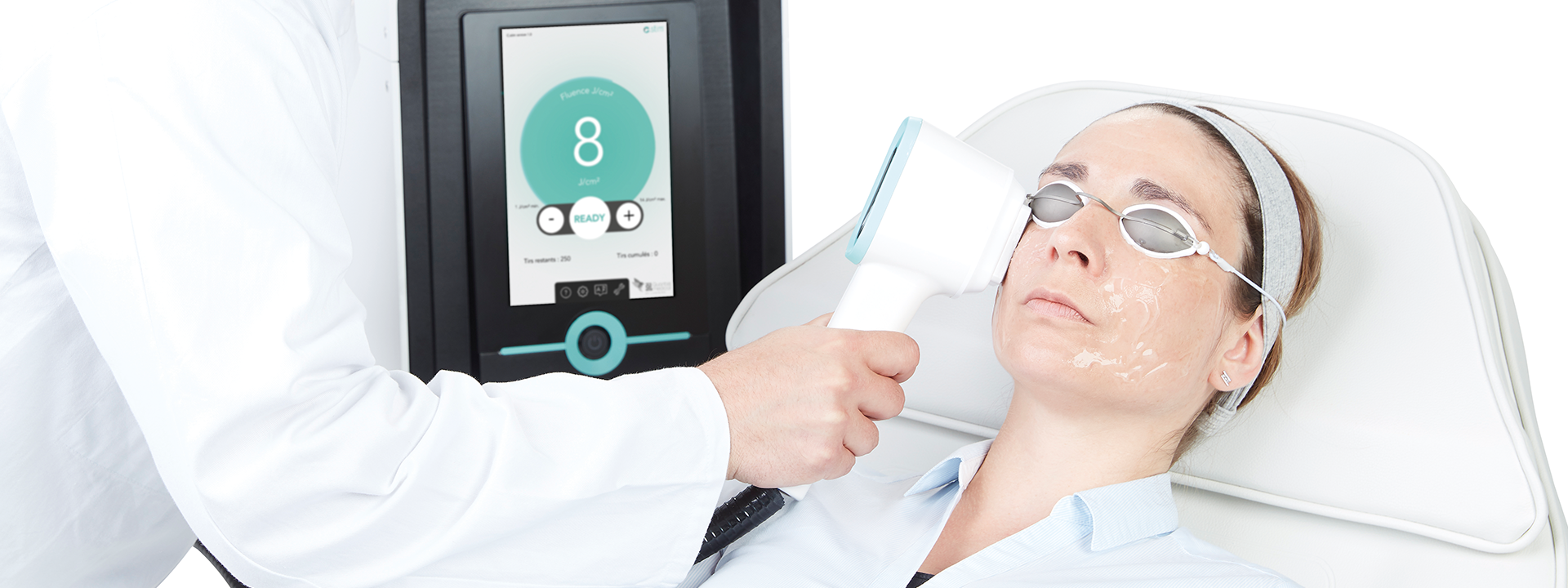
In recent years, more and more patients have been complaining of the same symptoms: itchy, scratchy eyes and gritty feeling. A name has been given to this pathology affecting around one in three people: dry eye.
This huge increase in patient numbers is primarily related to our modern lifestyles, including screen use, remote working and wearing a mask, but is also linked to environmental factors (pollution, smoke, sunshine, etc.). This situation requires us to rethink how ophthalmology practices are organised, to ensure they can manage this influx of patients.
Here we explore an example of a successful organisation for treating patients with dry eye at a private practice in Roanne, France. The first question is the following:
How can we quickly identify patients with dry eye?
The first essential step for every patient when they arrive at the practice is their installation in the waiting room. To make use of this dead time, why not have them complete a questionnaire to assess the frequency and severity of any dry eye symptoms? There are now many questionnaires that can be completed independently by patients. For example, we can mention the DEQ-5, OSDI and SPEED questionnaires.
Once this questionnaire has been completed, the appointment with the patient can begin. The ophthalmologist can then perform a screening consultation with questions to identify risk factors, a slit lamp examination and examination of the free margins, gland orifices and facial skin.
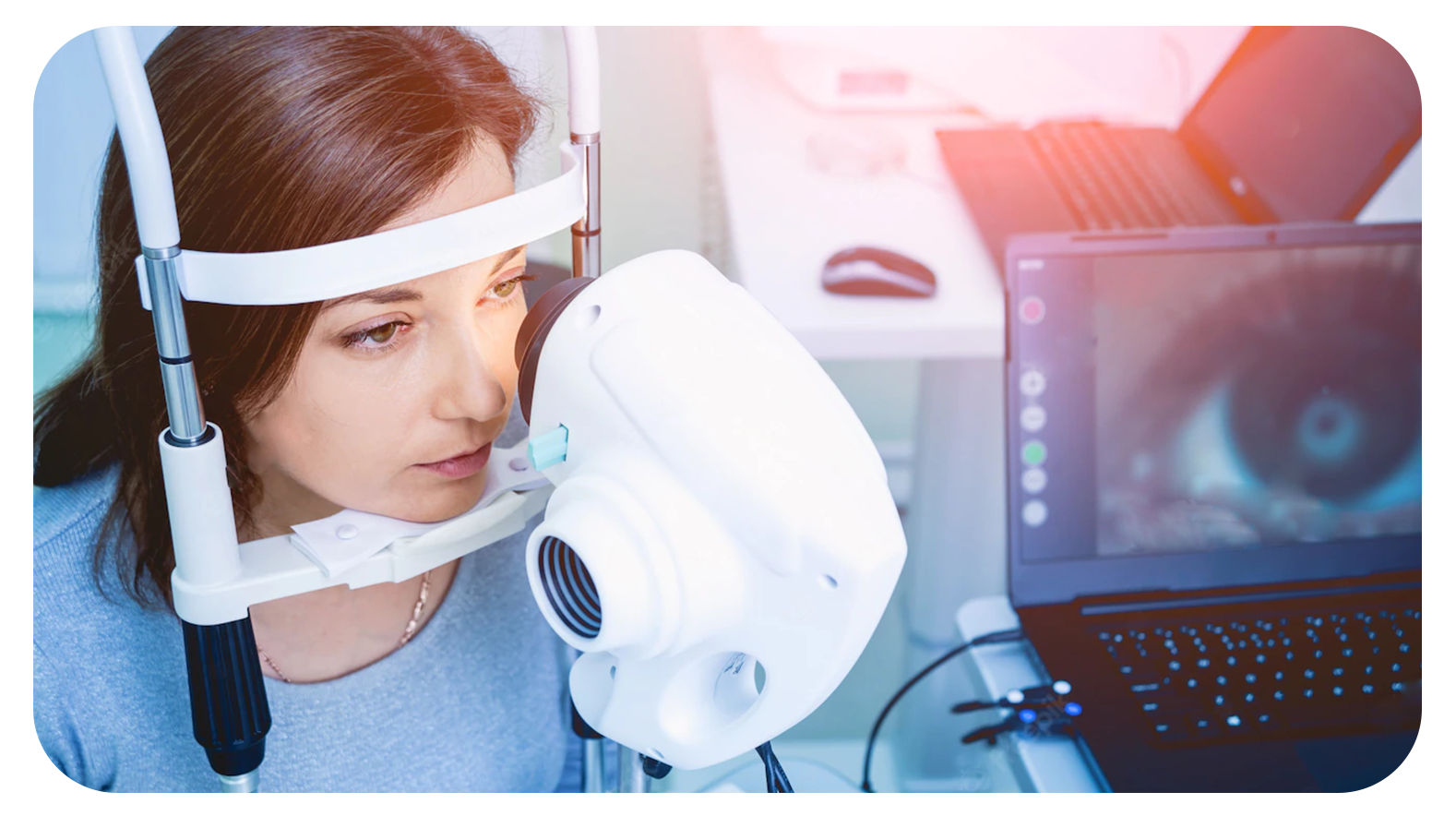 Once dry eye has been identified in a patient, a specific consultation for this pathology is proposed in order to carry out more comprehensive examinations to define the type of dry eye and its severity.
This dedicated dry eye consultation is carried out over two days per week with a specialist assistant. Non-contact examinations are performed using the LacryDiag® device (NIBUT, interferometry, meniscus height, meibography). This examination step is essential to educate the patient on the disease and the proposed treatments, and to measure the results of the initiated treatments.
In cases of dry eye caused by meibomian gland dysfunction (over 80% of cases), eyelid care, IPL sessions and meibomian gland expression can be performed during these dedicated consultations.
Lumibird Medical provides a complete set of communication materials for patients. These tools provide information about the pathology, its causes and symptoms, and the therapeutic solutions available.
If the treatment protocol chosen is IPL, an IPL consent form must be signed. This form can be found in the patient education kit provided by Lumibird Medical.
How to organise the C.STIM® IPL sessions?
The standard C.STIM IPL protocol consists of three sessions spaced 7 to 15 days apart, which can be structured as follows:
Session 1 (approx. 30 minutes):
- Complete examination of dry eye using a LacryDiag® ocular surface analyser. This involves four examinations: interferometry, measurement of tear meniscus height, meibography and NIBUT. A full examination takes less than 10 minutes.
- C.STIM IPL session 1: the first IPL treatment is performed. To optimise the results, meibomian gland expression is recommended after the treatment, either manually or using meibomian gland forceps. The warming effect of the IPL will make this easier. Explaining to the patient the importance of daily eyelid hygiene, and the lifestyle to adopt, will also be the key to success for long term results. In total, the IPL session therefore lasts around 20 minutes.
Session 2 (approx. 15 minutes):
Carrying out of the second session of C.STIM® IPL treatment. Meibomian gland expression can also be performed with forceps if the glands are still blocked.
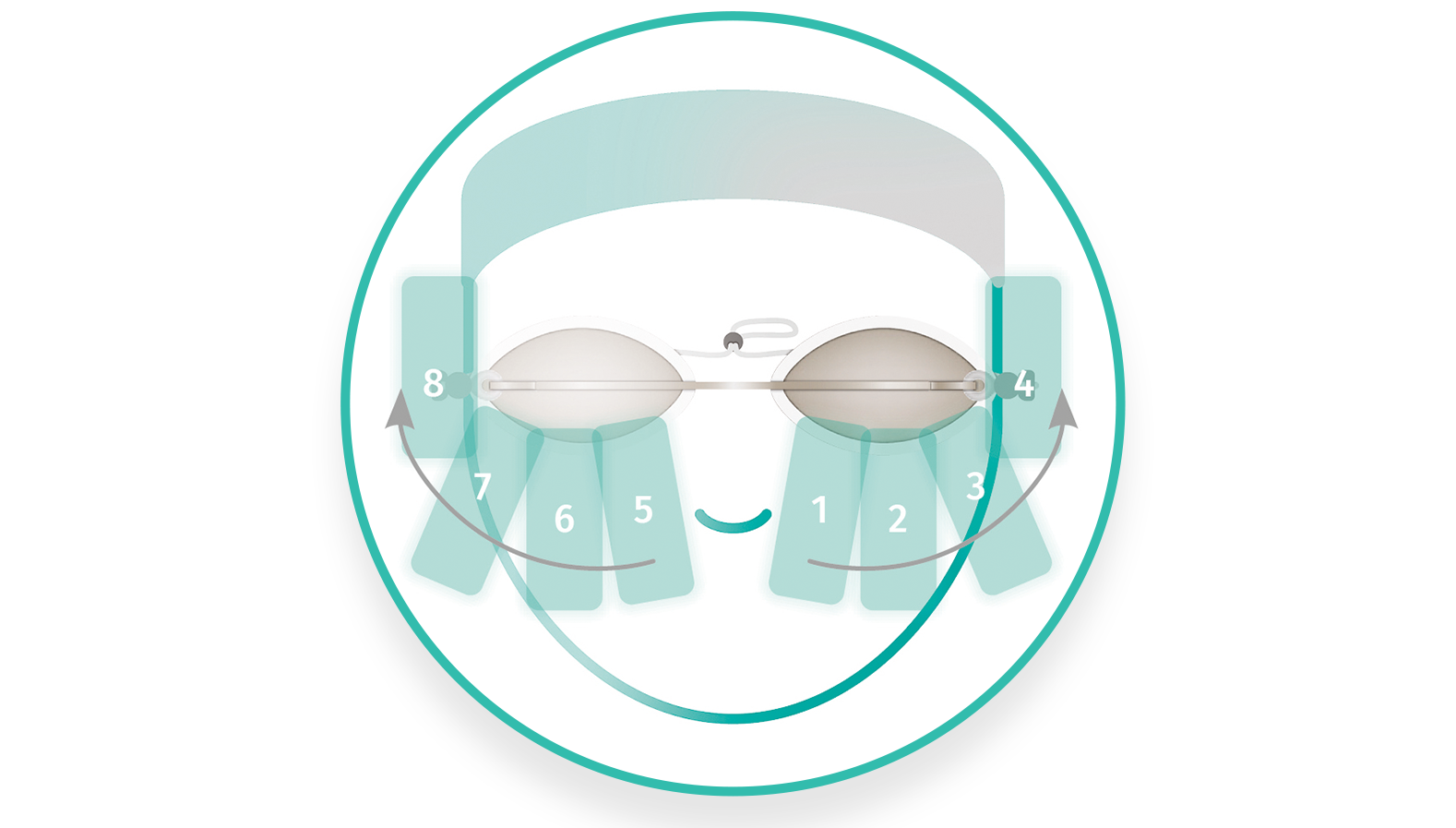
Session 3 (approx. 25 minutes):
- Complete examination of dry eye using a LacryDiag® ocular surface analyser to check the effectiveness of IPL sessions 1 and 2.
- C.STIM® IPL session 3: Carrying out of the third session of C.STIM® IPL treatment.
A fourth session of IPL may be advisable in some cases. A follow-up session several months later may be recommended.
Session 4 (approx. 25 minutes):
- A follow-up consultation at 3 or 6 months can be proposed to evaluate the results of the 3 IPL sessions
- Complete examination of dry eye using LacryDiag®.
- A discussion with the patient to ensure compliance with eyelid care and to check their lifestyle.
IPL therapy is a quick and simple multi-action treatment option, but it must be combined with other solutions for optimal efficacy.
In particular, eyelid care (heating, massage and cleaning of the eyelids) must be carried out on a daily basis and lifestyle must be adapted to optimise the results of IPL.
The duration of IPL results varies from one patient to another. Depending on the patient's compliance with regular eyelid hygiene, the results of IPL can last for 6 months to a year. IPL can be proposed again, depending on the symptoms experienced by the patient.